Throbbing Temples
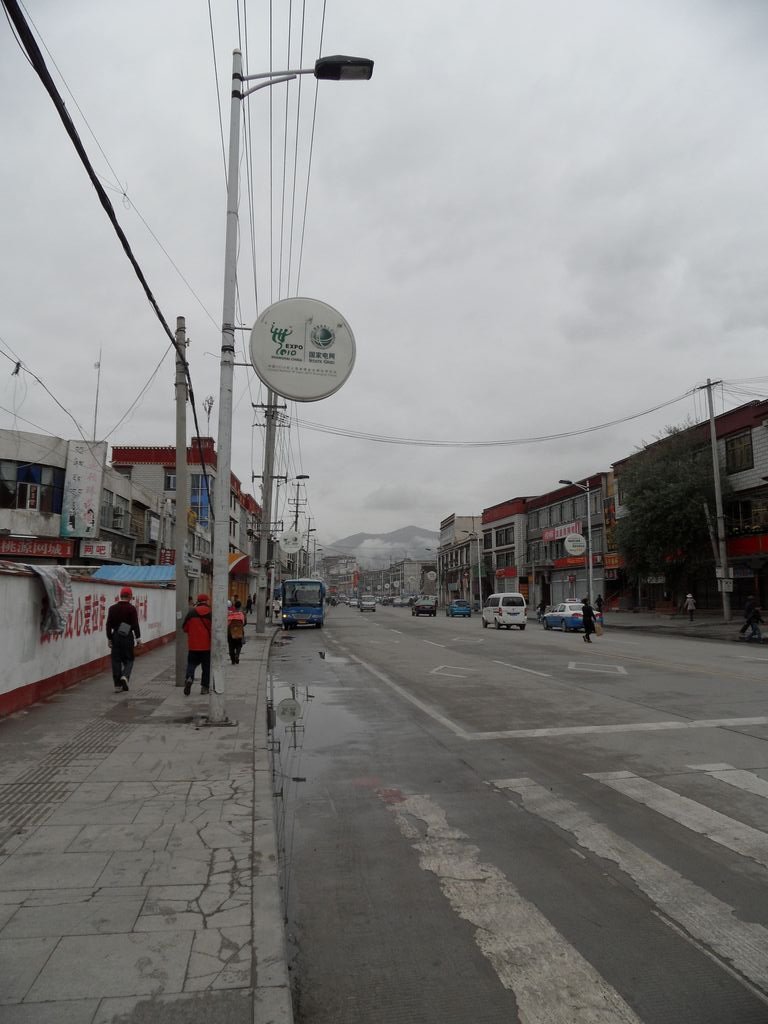
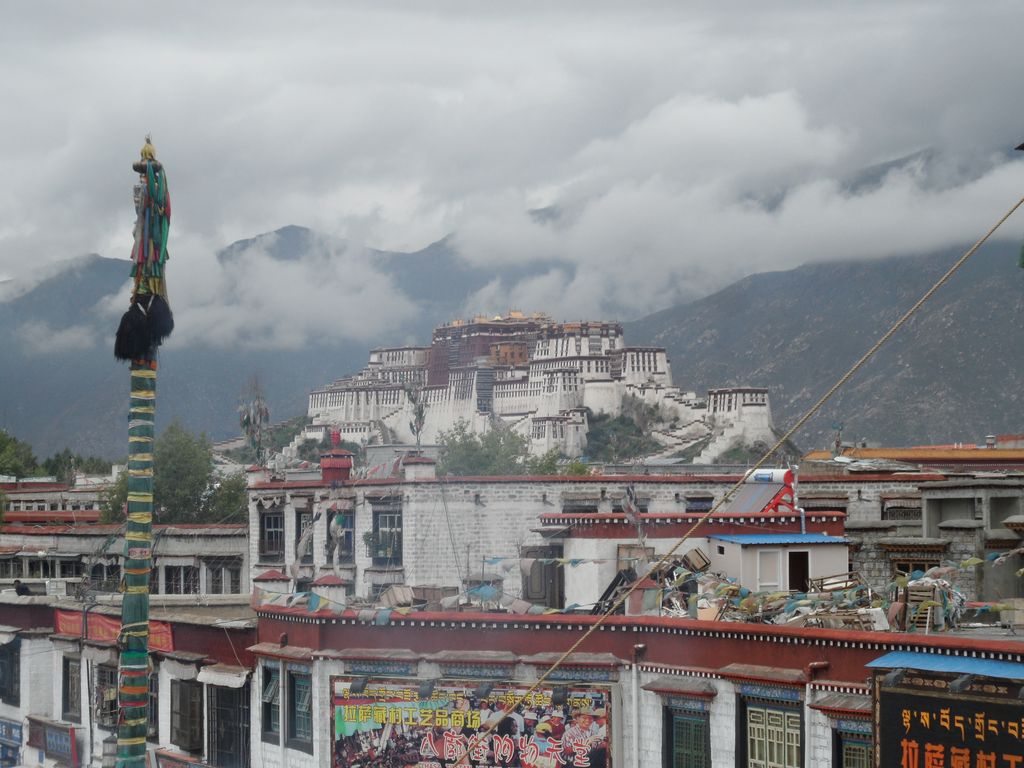
What a night ! Our room is above the main street in Lhasa and it only quietens down between 1 and 4am. It was like having a demolition derby in our room with the addition of raucus crowds, bell ringing rickshaws and hooting taxis. Today was going to be hard going. First on the agenda was to arrange a time slot to visit Potola Palace. The place gets so busy that you have to book a time the day before you visit. Our guide led us there on foot (about a 20 minute walk in the rain through Lhasa) and booked us in for 10am tomorrow. The Palace looms above the town and looks impressive from the road – the quintessential Tibetan postcard shot – even in the wet.
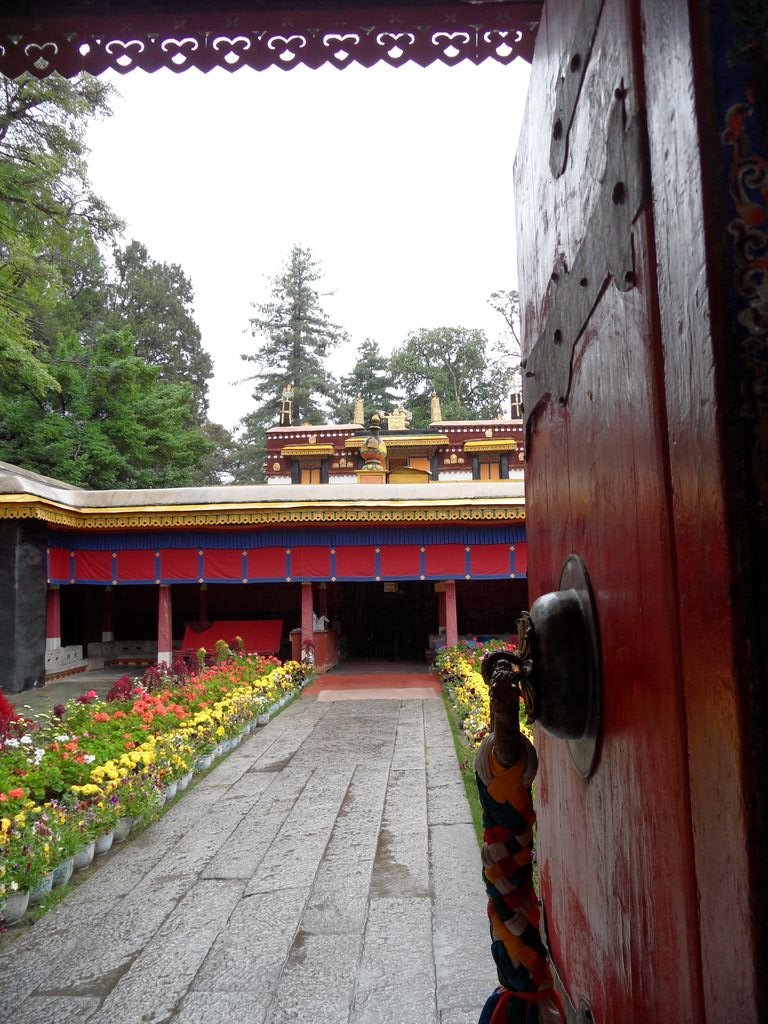
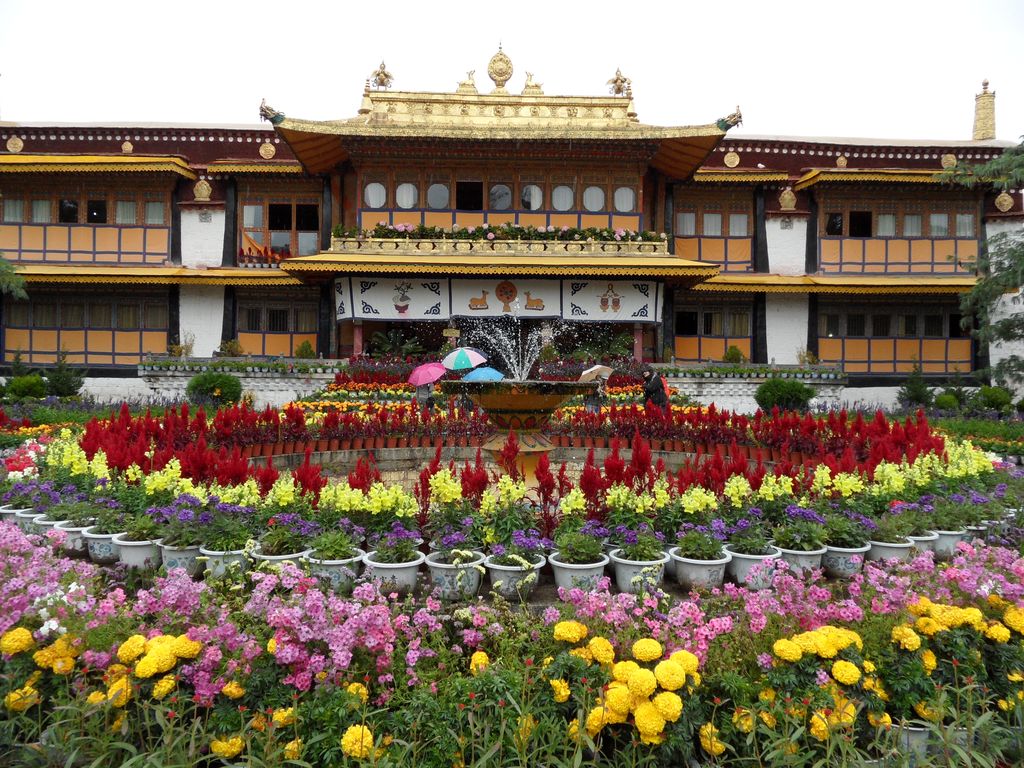
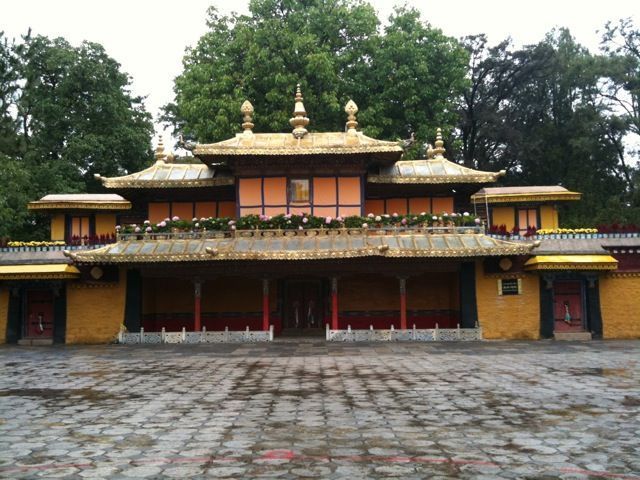
The plan for the rest of the day was to tick off a few temples. It seems temples (and/or monasteries) are what you do in Lhasa. First up – the Summer Palace (Norbulingka). Another couple kilometers on foot to get there. By this stage we were feeling out of breathe. Not sure if it is the altitude or the flu still toying with us. Bob led us around the palace grounds, gardens and through a few ‘chapels’ passing the offical seats (not really thrones) of various Dali Lamas (it’s good to be the king) – interesting but not excessively impressive. The Chinese horseplay is obvious at times for example: the officially recognized Tibetan 2IC (Panchen Lama) is ‘missing’ but not to worry because Beijing has ‘found’ a second one – who happens to be Chinese. Fishy me thinks.
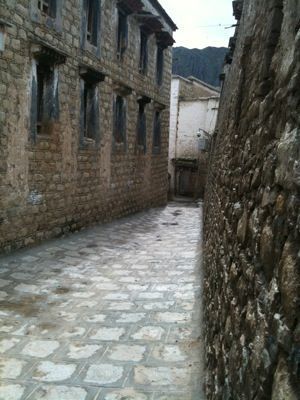 With throbbing temples I vetoed walking all the way back into town, instead opting for a taxi which refused to let us squeeze 4 onto the back seat (no problem anywhere else in China) – so two taxis then making it even more expensive. The rules governing tourists are a little crazy. We are not permitted to enter any tourist attaction without our guide and are not supposed to use the cheap local buses – capitalism run amock.
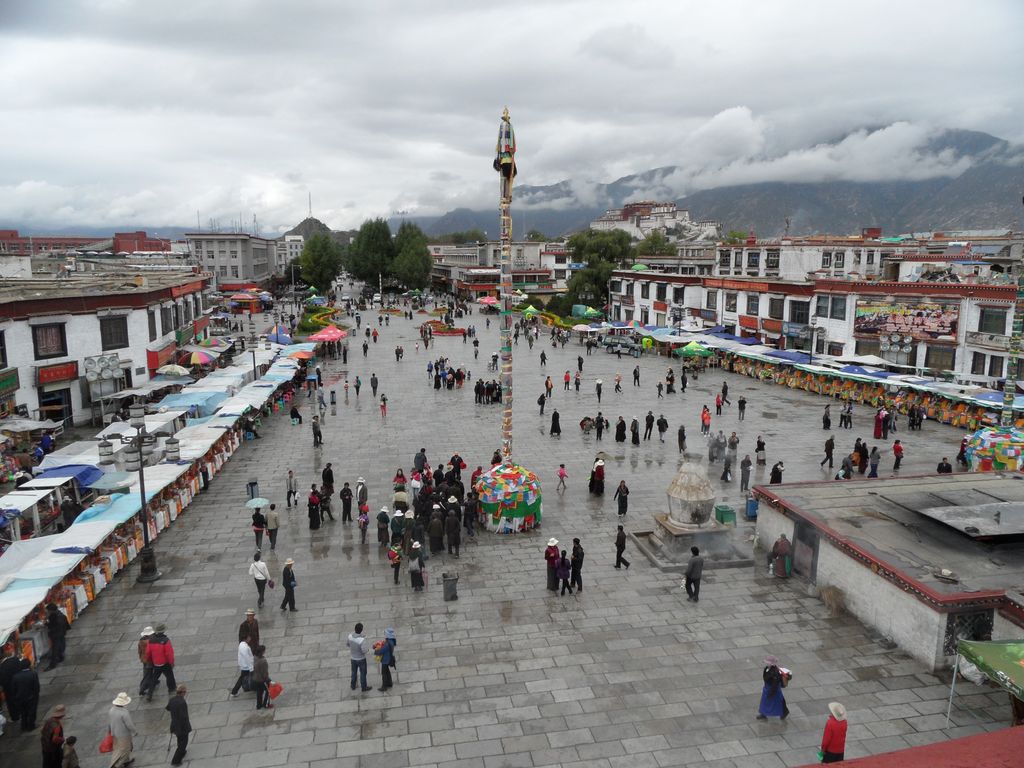
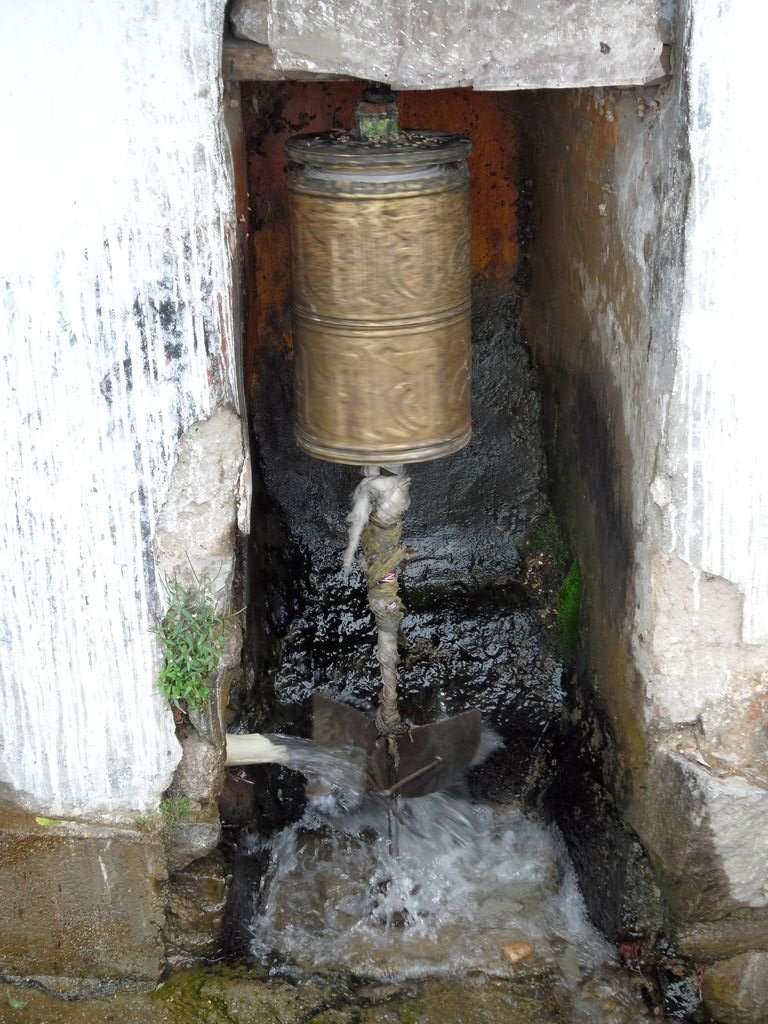
Jokhang Temple in the centre of old Lhasa is one of the oldest and most revered temples in Tibet. It was packed with long queues of pilgrims and worshippers going through their rituals. The temples are very dark and feel stuffy with the smell of burning incense and yak butter candles. Not at all ‘inviting’. The pilgrims loop around all the chapels (each for a different form of Buddha or holy person) mumbling prayers and leaving cash and yak butter as they go. Some pay for the monks to write prayers for them to be executed at the next session. It was educational even if extracting information from our guide is like pulling teeth (he really isn’t enthusiastic).
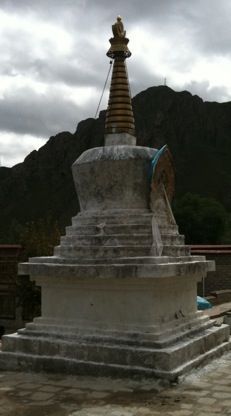 After lunch at a resturant full of tourists (I suspect all the guides get a comm) we twisted Bob’s arm (he wanted the afternoon off) to take us out to Drepung monastery which is some distance out of town – so another expensive taxi (or two). Drepung was one of the largest at one stage and home to 10 000 monks but was mostly destroyed during the cultural revolution. It is being rebuilt and renovated at the moment – soon to become another typical Chinese tourist attraction. The most interesting part was the original kitchen with every surface and fixture stained black with soot. No taxis waiting when we finished meant we had to walk down to the main road but at least we were able to sneak (not really) onto a local bus for a ride back to town for one tenth the price of a taxi.
I have now had enough of temples but there are at least two more on the schedule for tomorrow. Back at the hotel we were not able to change our room so another sleepless night is waiting for us. We did however find a good dinner and our first ‘Bounty’ bar since Russia.
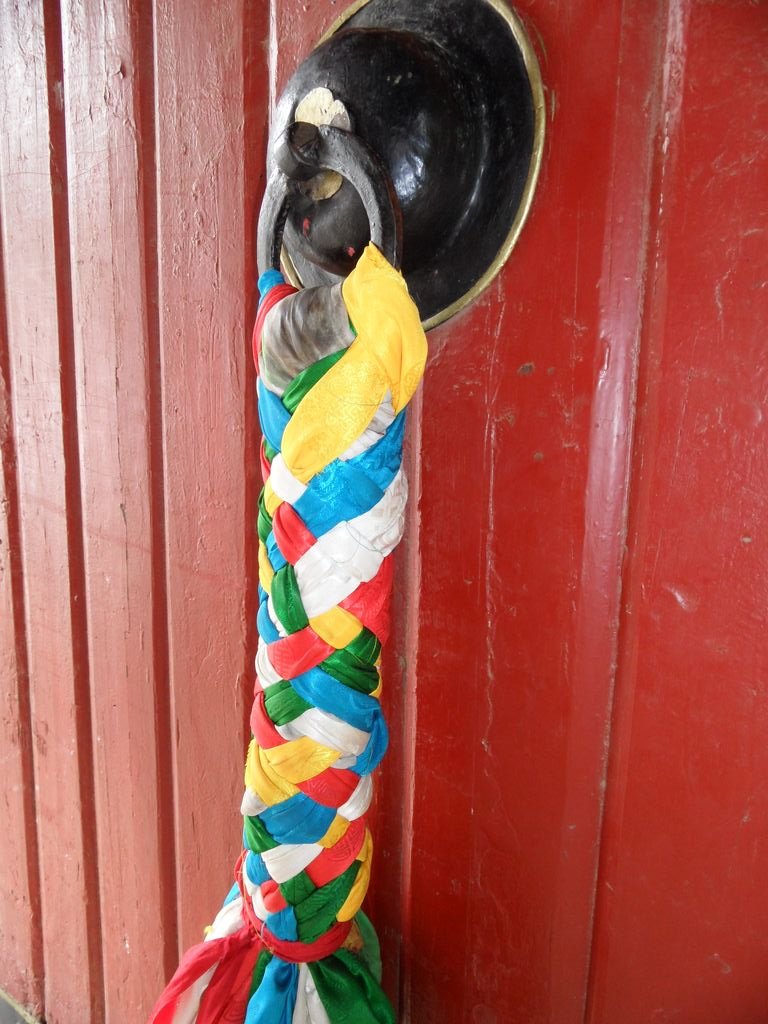
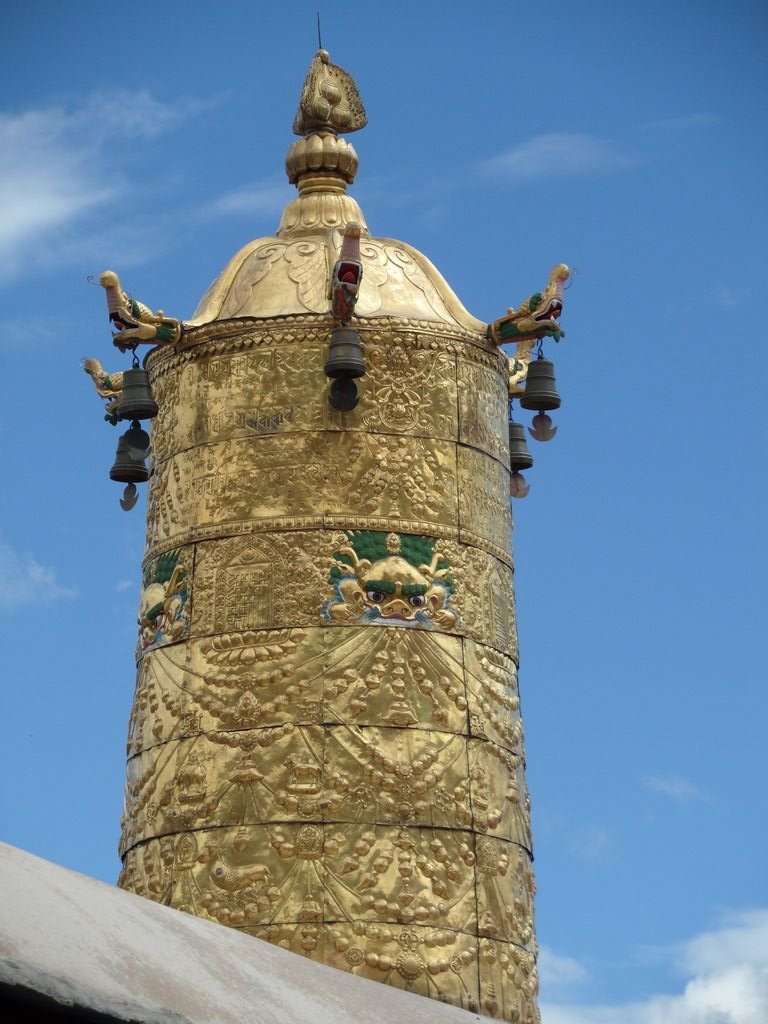
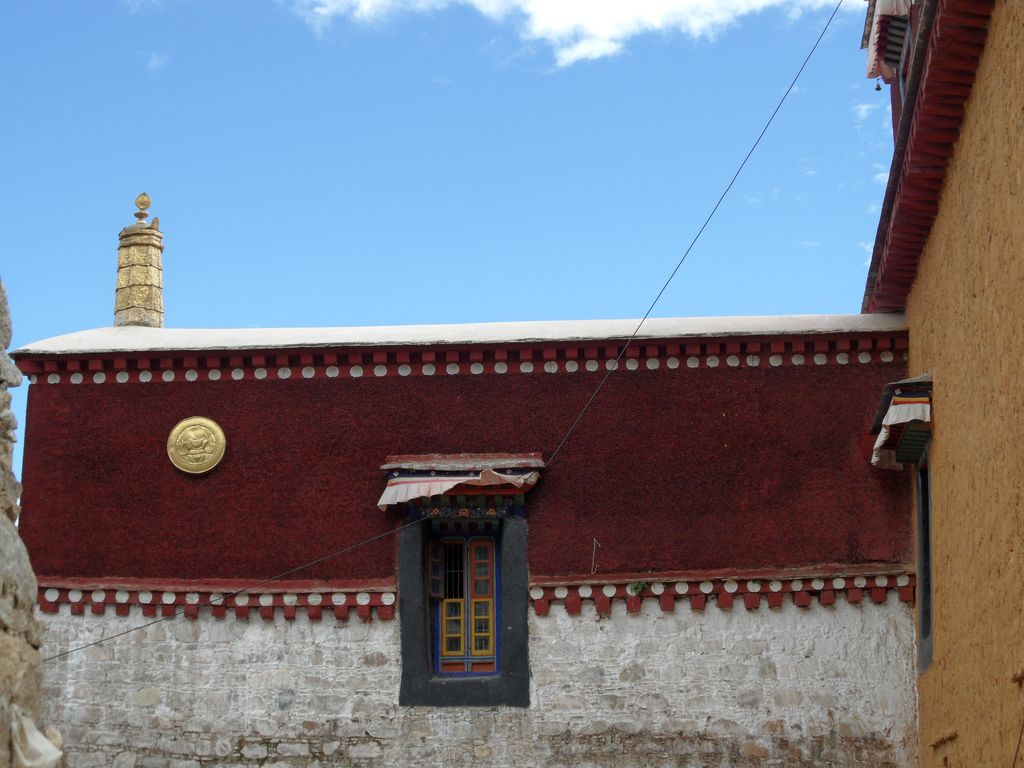
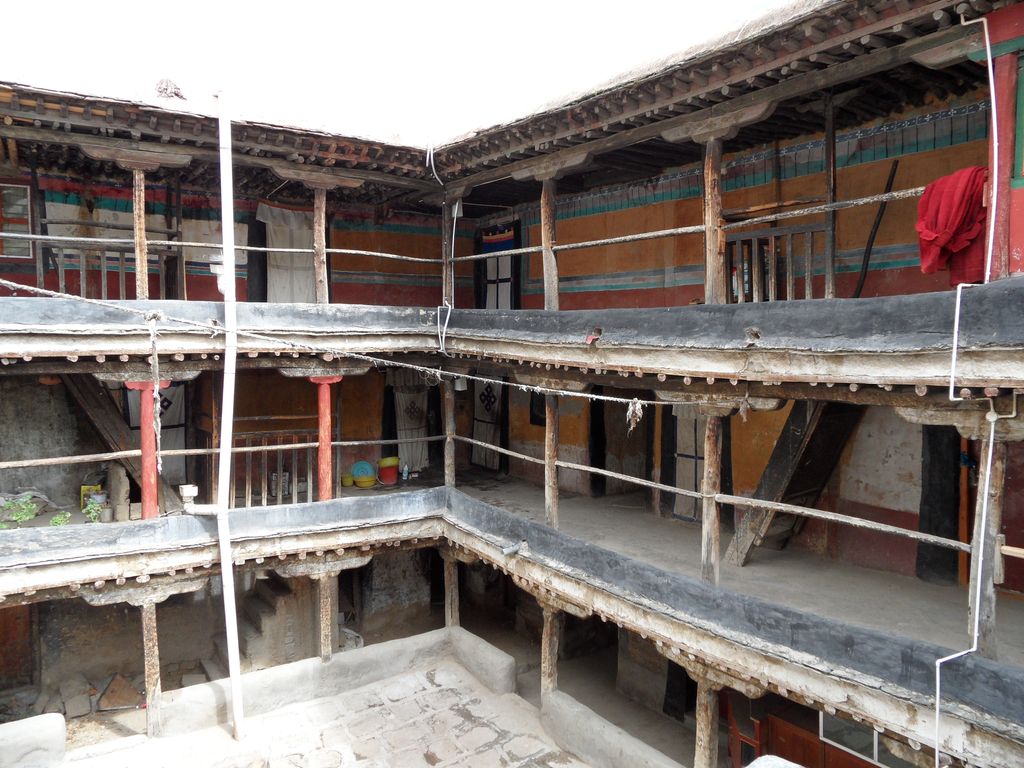
[Pictures: One of the main chapels and it’s courtyard at the Summer Palace. Back alleys and a Stupa at Drepung. No photos allowed inside the temples – unless you are willing to pay more ! ]
– Posted from my iPhone via Wifi